

In short: Many car accident injuries, including whiplash, back injuries and concussions, cause few symptoms at first and can worsen over the following hours or days. Watch for new pain, headaches, numbness or changes in thinking, and get evaluated early.
Right after a crash, your body floods with adrenaline. That stress response can mask pain for hours. Meanwhile, injured muscles, ligaments and discs become inflamed gradually. The result: many people feel stiff or sore the next morning, or several days later, even though they walked away from the scene.
Why Pain Can Be Delayed
- Adrenaline and endorphins dull pain in the hours after a stressful event.
- Inflammation builds over time. Swelling in soft tissues can build over the days after an injury.
- Nerve irritation can develop slowly as a damaged disc or swollen tissue presses on a nerve.
- Concussion symptoms can evolve over hours to days as the brain responds to the injury.
Delayed Symptoms to Watch For
Neck pain and stiffness
The classic sign of whiplash. You may notice reduced range of motion, pain when turning your head or pain spreading into the shoulders and upper back. See our guide to whiplash treatment.
Headaches
Headaches after a crash can come from strained neck muscles and joints or from a concussion. A headache that keeps getting worse needs prompt medical attention. Learn about headaches after an accident.
Back pain, numbness or tingling
Low back pain that spreads into the buttock or leg, or numbness and tingling in an arm or leg, can signal an irritated nerve or a herniated disc.
Shoulder and joint pain
Bracing against the steering wheel or seatbelt can injure the shoulder, knee or wrist. Pain that limits lifting or reaching should be checked.
Concussion symptoms
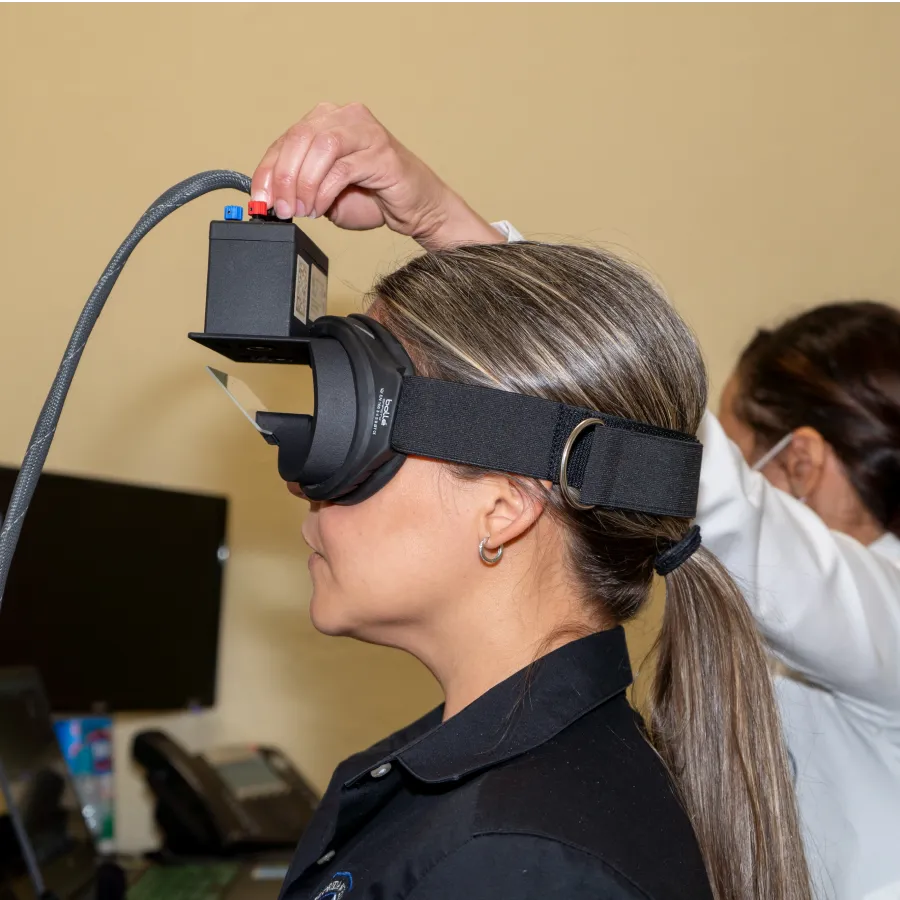
Dizziness, trouble concentrating, memory problems, sensitivity to light or noise, irritability and trouble sleeping can all point to a concussion, even if you never hit your head. Learn about TBI & Neurology care through RecoverTBI.
When to Go to the Emergency Room
Call 911 or go to the nearest emergency room if you notice:
- A severe or worsening headache, repeated vomiting or seizures
- Confusion, slurred speech, unusual drowsiness or trouble waking up
- New weakness or numbness in an arm or leg
- Loss of bladder or bowel control
- Severe abdominal pain, chest pain or shortness of breath
These can be signs of a serious brain, spine or internal injury that needs immediate care.
What to Do If Symptoms Appear Days Later
- Don’t wait for it to go away. Early evaluation helps find injuries before they become chronic.
- Write down when each symptom started. This helps your doctor understand your injury.
- Avoid heavy lifting and high-impact activity until you’ve been examined.
How Delayed Injuries Are Diagnosed and Treated
A specialist will review how the crash happened, examine your spine, joints and nerves, and order imaging such as X-ray or MRI when needed. Treatment usually starts conservatively with rest, activity changes, medication and rehabilitation. If pain persists, options may include targeted injections through interventional pain management. Many patients improve without surgery.
Frequently Asked Questions
How long after a car accident can pain start?
Symptoms can start hours or days after a crash. Some, especially nerve symptoms and concussion effects, can take longer to become noticeable.
Is it normal to feel worse a few days after an accident?
Yes. Soft-tissue inflammation can build after an injury, so many people feel stiffer and sorer in the days after a crash than on the day it happened.
Can you have whiplash without immediate pain?
Yes. Whiplash symptoms commonly begin hours to days after the collision, starting with stiffness and soreness that may spread to the shoulders or cause headaches.
Should I see a doctor if I feel fine after a minor crash?
It’s a good idea. An evaluation by a qualified physician can catch injuries early, before they become harder to treat.
Keep Reading
This guide is general information, not medical advice. If you think you have a medical emergency, call 911.